In 2025, dog owners can choose between GPS dog fences (virtual, wireless) and traditional pet fences (physical or underground wired).
This guide compares how each system works, what they cost, how reliable they are, and which one fits your lifestyle best.
Quick takeaway: GPS fences are portable and smart; traditional fences are reliable and maintenance-free. Many homes do best with both.
What Is a GPS Dog Fence?
How Virtual Fences Work
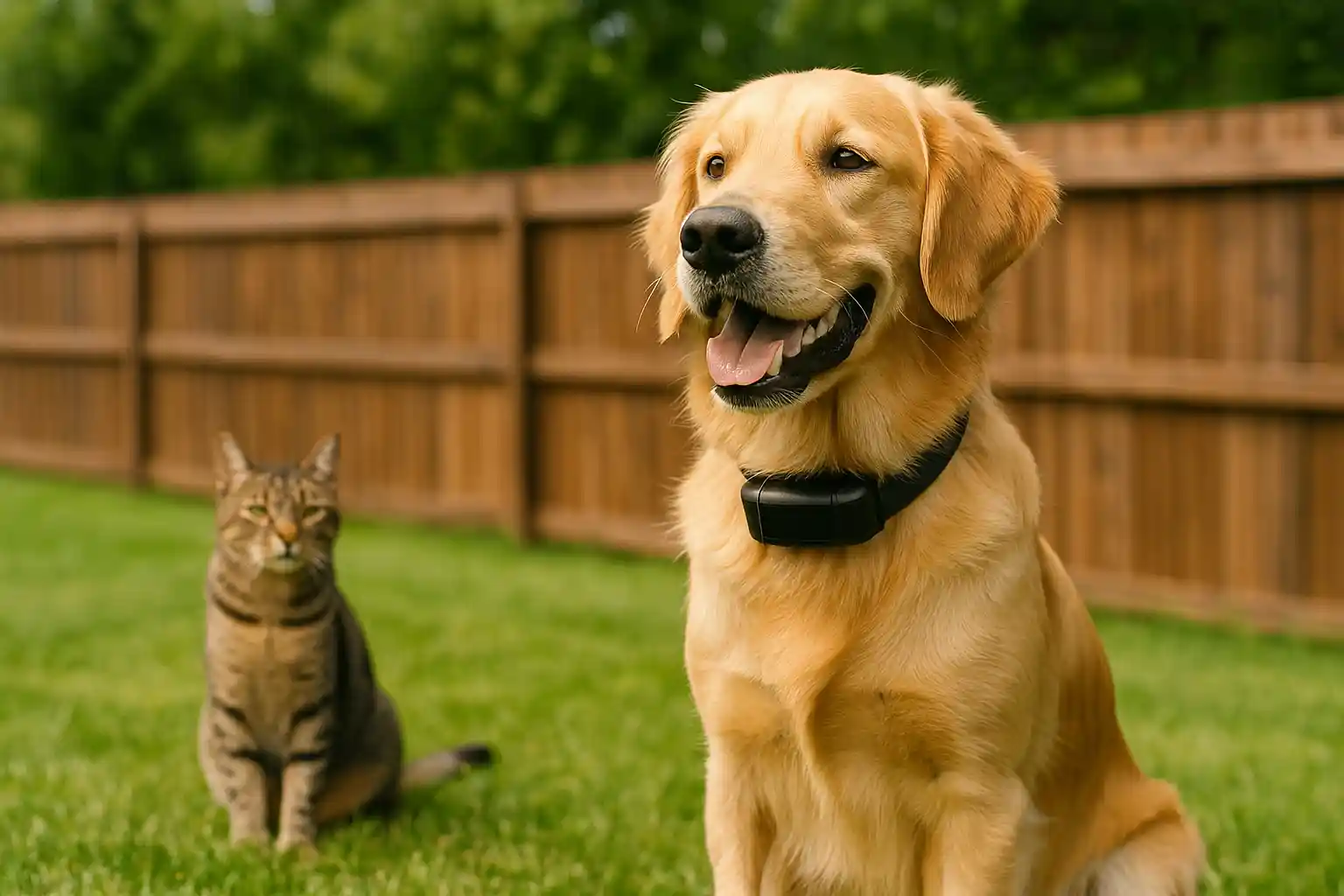
A GPS dog fence (or wireless virtual fence) uses satellites and a GPS collar connected to an app.
You draw boundaries on the app; when your dog nears the limit, the collar delivers beeps, vibration, or gentle static correction.
Most systems also include real-time location tracking and escape alerts via LTE.
Do You Need a Subscription?
Usually, yes. Live tracking and alert features require cellular data plans.
- Halo Collar 4 – Subscription tiers start around $5.99/month for basic tracking.
- SpotOn GPS Dog Fence – Works without a plan, but you need a subscription (≈ $9.95/month) for instant alerts and history.
If you only want simple containment, some systems work offline. For safety, most owners prefer an active plan.
Accuracy & Limitations
- SpotOn reports accuracy within 3 ft (≈ 1 m) in open terrain.
- Halo 4 uses dual-frequency GPS (L1 + L5) for better precision under trees.
- Dense foliage, tall buildings, or metal sheds may cause signal drift.
- Average battery life: 20–30 hours, depending on signal strength.
What Is a Traditional Pet Fence?
Types of Traditional Fences
- Physical fences – chain-link, vinyl, or wooden barriers.
- Underground wired fences – buried cable triggering a collar near the perimeter.
- Hybrid fences – physical plus invisible zones for gardens or pools.
Installation, Maintenance & Durability
- Physical fences need permits and labor but can last 10–20 years.
- Underground wires can break from roots or mowing.
- Both require upkeep: repainting, tightening posts, or repairing cables.
Strengths & Weaknesses
Advantages
- Reliable even with no cell or satellite signal.
- Predictable and consistent boundaries.
- Provide visible, psychological barriers.
Disadvantages
- Higher upfront cost ($1,500 – $4,000 typical).
- Permanent — not renter-friendly.
- Wired versions can fail if cables break.
- No GPS tracking if a dog escapes.
Side-by-Side Comparison: GPS vs Traditional Fence
| Factor | GPS Dog Fence (Virtual) | Traditional Pet Fence (Physical or Wired) |
|---|---|---|
| Setup | App-based, no digging | Labor-intensive or trenching |
| Initial Cost | $500–$1,000 + optional plan | $1,500–$4,000 materials + labor |
| Maintenance | Charging, firmware updates | Repairs, paint, cable fixes |
| Reliability | Great in open areas; may drift | Very consistent |
| Portability | Excellent for travel/rentals | Fixed location |
| Tracking | Built-in GPS (with plan) | None |
| Aesthetics | Invisible boundary | Visible structure |
Best-Known GPS Dog Fence Options (2025)
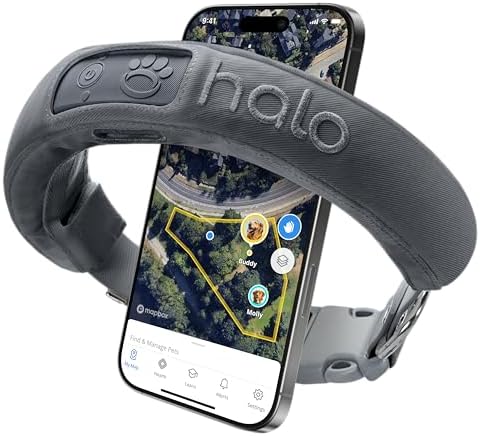
Halo Collar 4
- Dual-frequency GPS (L1/L5) for accuracy under trees.
- Up to 30 hours battery life.
- IP67 waterproof.
- Subscription needed for tracking.
- Approx. $599 on Amazon or Halo’s official site.

SpotOn GPS Dog Fence
- Works offline; subscription adds LTE tracking.
- Creates up to 20 custom fences.
- Accuracy ≈ 3 ft in open fields.
- Battery ≈ 25 hours.
- Around $999 online.


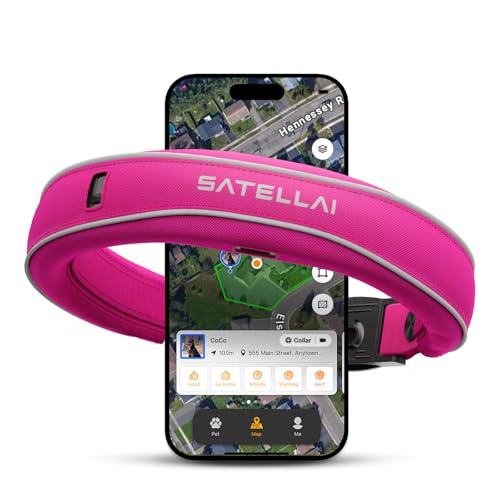
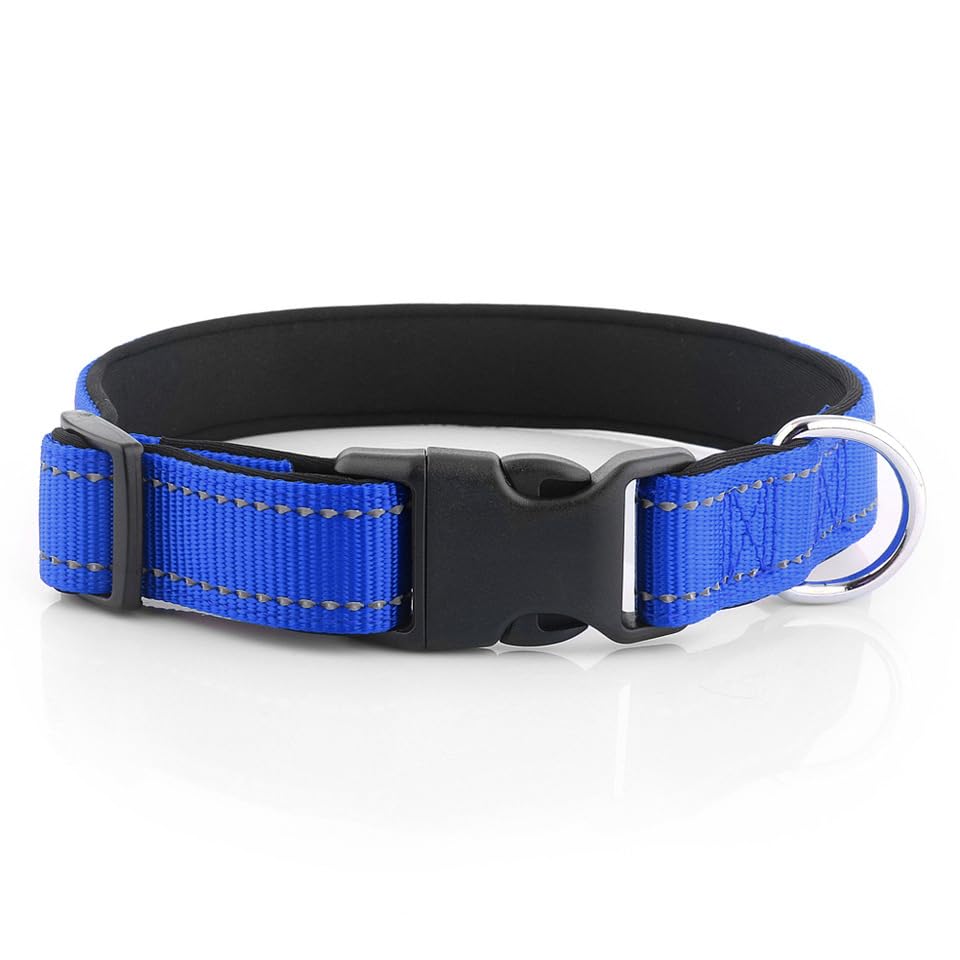
SATELLAI Smart GPS Dog Collar
- Uses 4G LTE + GPS positioning for real-time tracking and geofencing.
- Includes activity monitoring, distance alerts, and health stats.
- Works with the SATELLAI app (iOS & Android) for live location updates.
- No subscription required for basic GPS mode; optional plan for premium tracking.
- Waterproof and suitable for medium to large dogs.
![SATELLAI GPS Dog Collar, Gray [Free 1-Year Membership] The Most Advanced Dog Wireless Fences with AI...](https://m.media-amazon.com/images/I/41UdNTvHdwL.jpg)
Which Fence Is Right for You in 2025?
Small Urban Yards or Rentals
Choose GPS fence – no digging, no permits, easy to move.
Large or Forested Properties
Pick a traditional or wired system for consistent boundaries and signal-proof reliability.
Tech-Savvy Families or Frequent Movers
A GPS dog fence fits best — portable, customizable, and integrates with apps and smart home devices.
How to Get the Best Results from a GPS Dog Fence
1. Train Before Relying on It
Start with sound only, guide and reward, then add vibration/static if needed.
Most dogs learn boundaries within a week.
2. Walk the Boundary and Test Signal
Use the app to walk your yard and check for weak zones (heavy trees or metal objects).
Adjust the virtual line if needed.
3. Maintain Battery and Firmware
Charge regularly; keep software updated for best GPS performance.
4. Add Redundant Safety Layers
Pair with a smart pet camera (Furbo 360°, Eufy Pet) and optionally an AirTag holder for backup tracking.
What Dog Owners Are Saying (2025)
- Praise for quick setup and no digging.
- Criticism for battery life and subscription fees.
- Some report minor GPS “drift” (~ 10–15 ft) under dense trees.
- Overall, owners love the freedom and control of smart containment.
FAQ
Are GPS fences safe for dogs?
Yes — when proper training is followed and feedback is kept gentle (sound/vibration before static).
Do GPS dog fences work without cell service?
Yes for containment (boundaries stored locally); live tracking needs LTE coverage and a plan.
Can GPS replace a physical fence?
For many homes, yes. But a visible barrier adds security in busy neighborhoods or for escape-prone dogs.
Final Recommendation
- GPS Dog Fence → best for flexibility, portable lifestyle, and smart alerts.
- Traditional Fence → best for steady boundaries and zero tech dependence.
- Hybrid setup → physical barrier + GPS collar = ideal balance of safety and freedom.